
John Paul II’s Letter to Artists: 10 Key Takeaways
Writing to artists around the globe, Pope St. John Paul II released his Letter to Artists on April 4, 1999. His letter contains valuable insights into the meaning of art, the vocation of the artist, and the relationship between art and Christianity. Due to its rich theological and historical analysis, the letter remains one of the most profound reflections on art from a Catholic perspective. Here are ten key takeaways from John Paul II’s Letter to Artists that touch upon art, beauty, and the role of the artist.
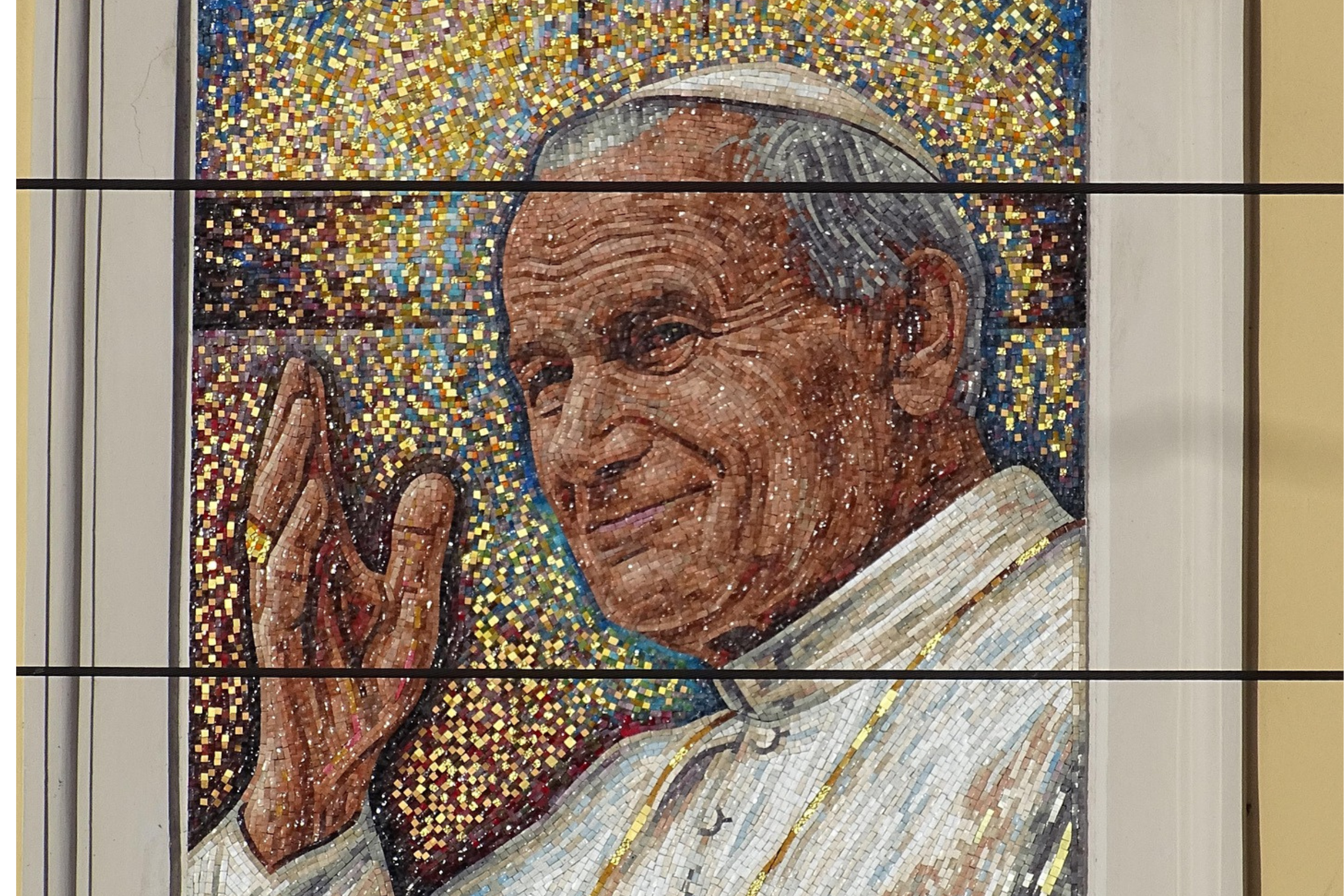
1. The vocation of the artist is rooted in humility.
Pope St. John Paul II opens the letter by drawing a parallel between God the Creator and the human artist. Made in the image of God, the human artist imitates the Creator through making new things. However, a distinction must be made. God creates out of nothing (ex nihilo), while the artist creates with materials that already exist. The artist must therefore view creation and his own talent as gifts from the Creator. This requires humility.
2. Every human person is an artist.
According to John Paul II, “all men and women are entrusted with the task of crafting their own life: in a certain sense, they are to make of it a work of art, a masterpiece” (2). Each of us is already God’s masterpiece, made in His image with inherent dignity (see Ephesians 2:10). Yet we all have the freedom to make moral decisions that determine the trajectory of our lives. In a certain sense, the saints offer an example of what it means to become the masterpiece that God creates us to be. When we cooperate as artists of our own lives, we strive to follow His commandments and discern His will through prayer.
3. Artists are called to communicate truth and goodness through beauty.
“Beauty is the visible form of the good” (3). By looking at a beautiful work of art, we often acquire knowledge without needing to read or listen to words. This is because beauty enables us to access truth and goodness through the sense of sight. Artists have a special ability to perceive beauty and create beautiful works. Their artwork helps viewers learn new things about various aspects of human existence, including spiritual truths about God, Heaven, and man himself.
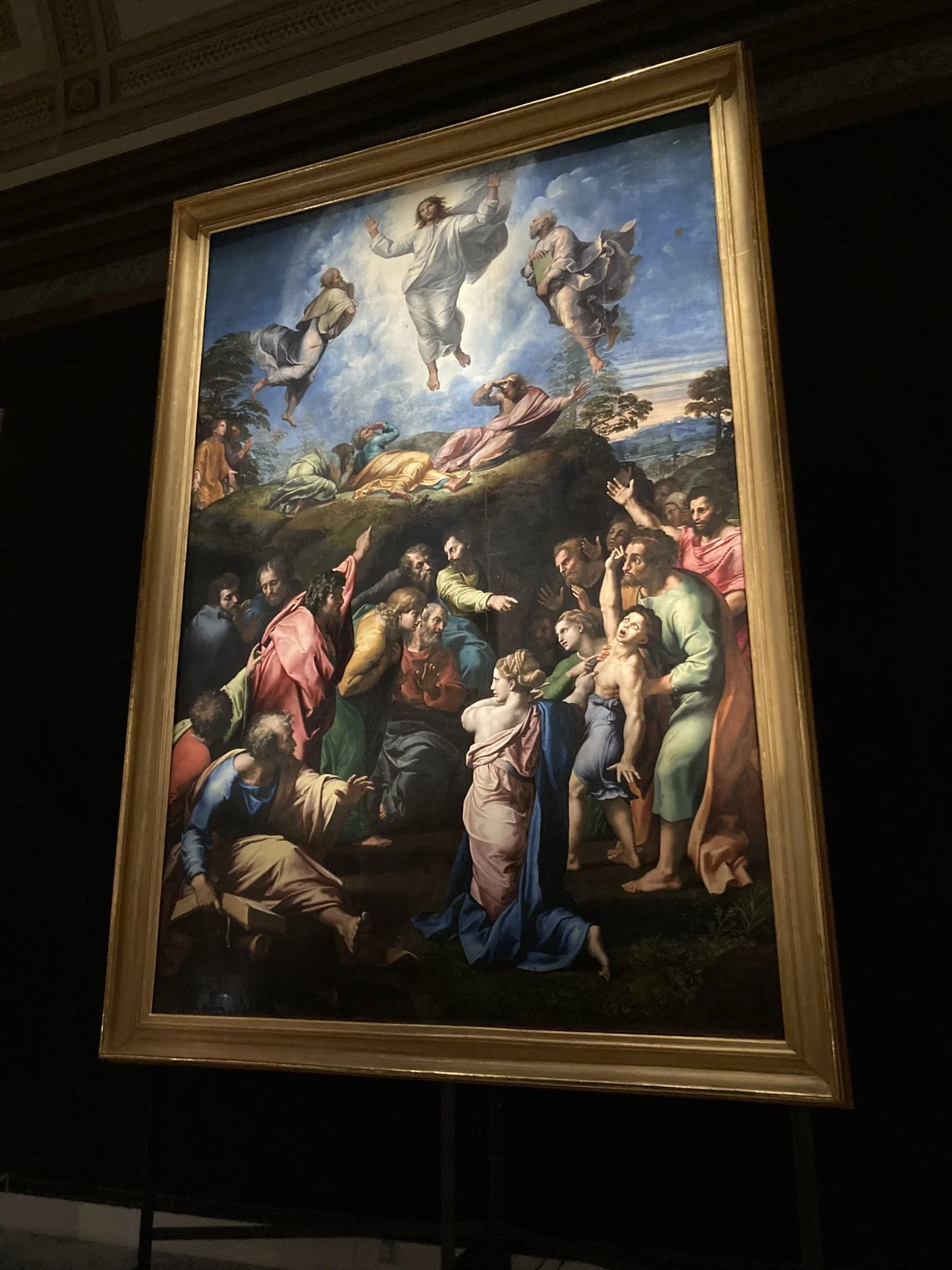
Raphael, Transfiguration, 1516-1520, Image courtesy Seek What Is Above
4. Artistic endeavors should contribute to the common good.
Art and culture have almost become synonymous terms, highlighting the importance of art within a society. Artists bear the responsibility of contributing to the common good, realizing that their work influences the public imagination. John Paul II writes that there is an “ethic” of artistic service that affects the life and renewal of a people (3). Because of the power of art to touch the hearts and minds of others, artists must carefully consider what values they are trying to communicate through their work.
5. The mystery of the Incarnation introduced a new dimension of beauty into art.
“And the Word became flesh and dwelt among us” (John 1:14). God becoming man transformed art forever. While the Old Testament forbade making images of God, this changed after He took on human flesh. Jesus Christ “introduced into human history all the evangelical wealth of the true and the good, and with this he has also unveiled a new dimension of beauty” (5). For this reason, artists began depicting scenes from Scripture, particularly the Gospels, to reflect on the great mystery of the Incarnation and the redemption of mankind.
6. Art mirrors faith in that it reaches beyond what the senses perceive.
Both art and faith convey truths about the meaning of human existence. This involves a spiritual reality that transcends the material world. For example, Rembrandt’s Return of the Prodigal Son teaches us about grief, compassion, and forgiveness. Even secular works of art can impart knowledge about the world and humanity. While recognizing the role of art in imparting universal truths, it’s important to remember one key difference regarding the knowledge received by faith: the latter is rooted in a personal encounter with God.
7. Sacred art has shaped the course of art history.
John Paul II provides a brief outline of the origin and development of sacred art in the Christian tradition. Finding its roots in the classical world, sacred art gave rise to several new forms of art, such as Christian basilicas, Gregorian chant, and Byzantine icons. During the Middle Ages, Romanesque and Gothic churches “portray[ed] not only the genius of an artist but the soul of a people” (8). Finally, the Renaissance included renowned masters such as Michelangelo and Raphael, while the Baroque era produced artists such as Bernini, all of whom made significant contributions in the area of religious art.
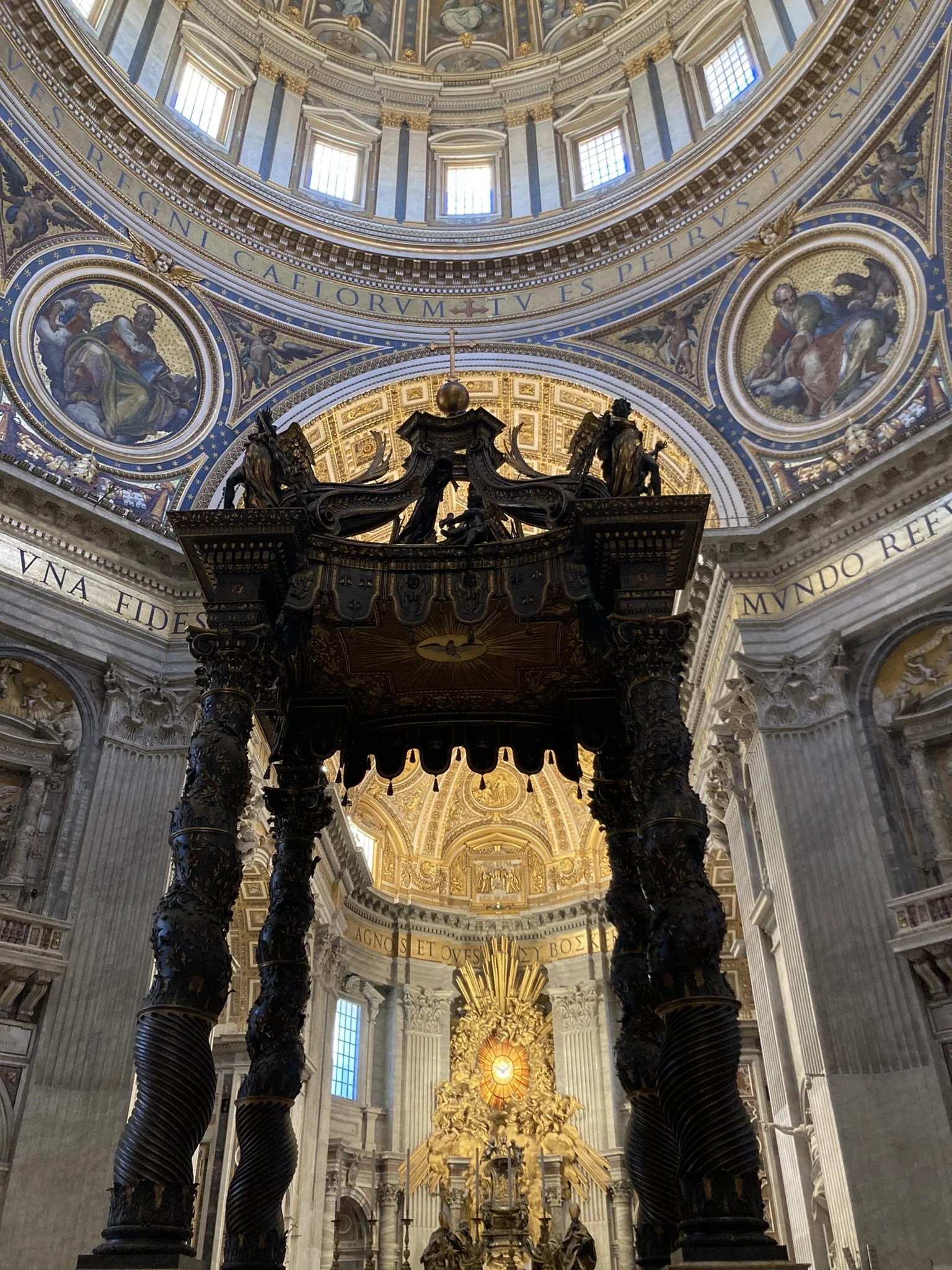
Interior of St. Peter’s Basilica, Image courtesy Seek What Is Above
8. Art and faith belong together, not apart.
The modern world has experienced a decrease in the amount of sacred art being created. However, John Paul II emphasizes that it does not have to be this way. He appeals to the “mutual spiritual enrichment” that has flowed from the historic partnership between the Church and artists. The Gospel remains an inexhaustible wellspring of inspiration for artists, since Christ is the One who “fully reveals man to man himself and makes his supreme calling clear” (Gaudium et spes,22). The Christian faith accordingly offers artists a deeper understanding of man and his purpose, which enables them to more fully capture the meaning of life and the human experience in their work.
9. The Church needs art for evangelization.
Art helps the Church preach the Gospel. John Paul II reminds us that Christ Himself used vivid imagery in His preaching, such as in the Parable of the Sower. By encouraging the artistic representation of Scripture, the Church follows the example of Christ. Since early Christian times, sacred art has helped the Church communicate the mysteries of the faith to her members. Art also draws nonbelievers to the beauty of the Christian faith, since it provides them with a tangible encounter with its traditions, beliefs, and the Word of God.
10. The beauty of art awakens the natural desire for God in the human heart.
Art stirs the “hidden nostalgia for God” in the human heart (16). Who hasn’t experienced this while contemplating a beautiful painting or listening to a live orchestra? This feeling of wonder invites man to transcend himself, directing him to seek the source of all beauty—God, who is Beauty Himself. Here John Paul II quotes the famous line from St. Augustine’s Confessions: “Late have I loved you, beauty so old and so new: late have I loved you!” (16).
Conclusion
The Letter to Artists by John Paul II continues to have lasting relevance more than twenty-five years since its publication, containing rich commentary on the meaning of art, beauty, and the artistic vocation. While the letter is specifically addressed to artists, art is something that pertains to each one of us. Even if we have not created a visual masterpiece ourselves, we have encountered artwork in churches, museums, online, and in our homes. As John Paul II states, each one of us is an artist in the general sense of the term, crafting our own lives in cooperation with our Creator. Art accompanies us on that journey and enriches our spiritual lives, reminding us to spend time appreciating its beauty.