
What Is Sacred Art?
The History and Meaning of Sacred Art in the Christian Tradition
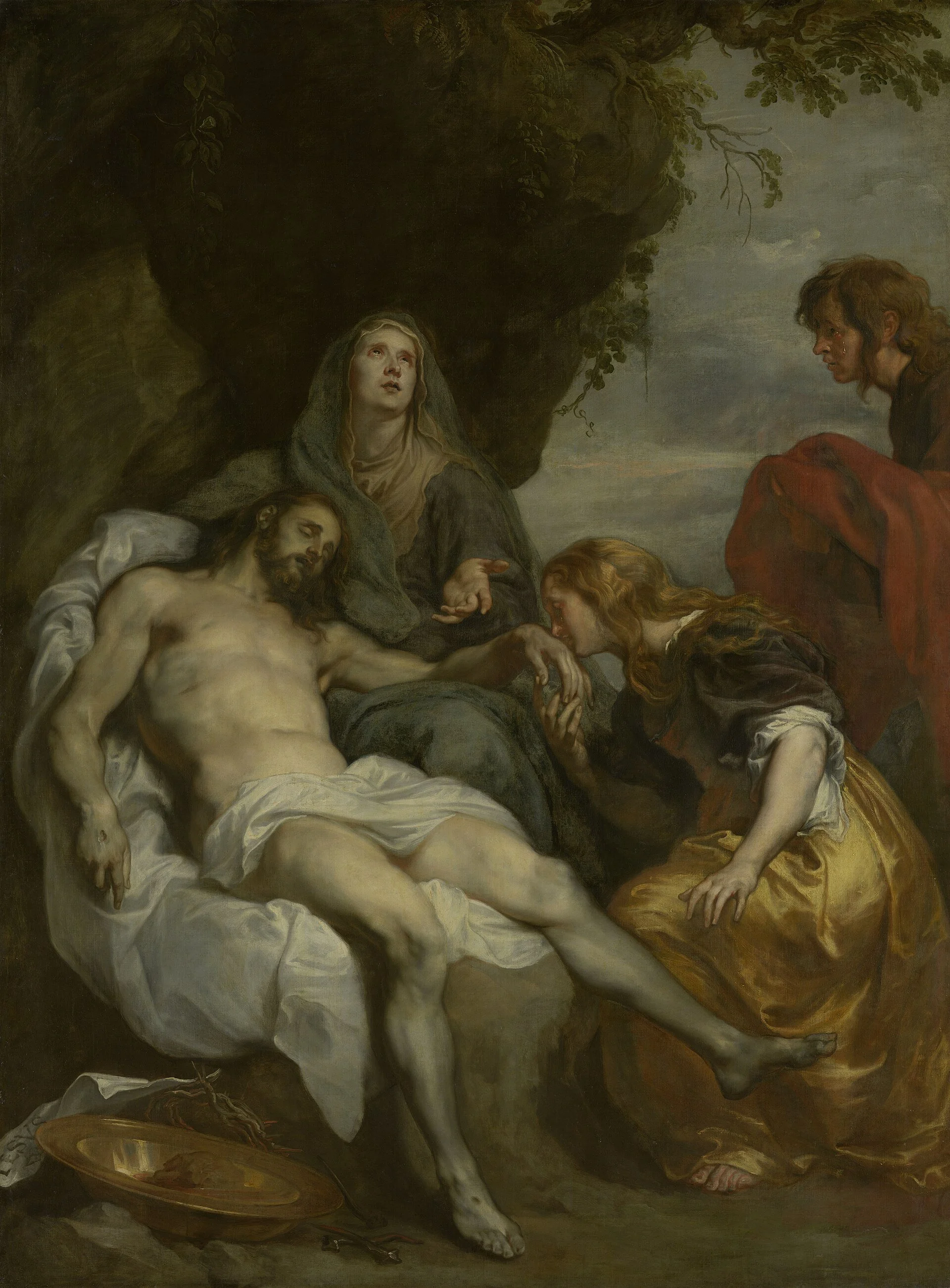
What is sacred art?
Sacred art in the Christian tradition is the portrayal of Jesus Christ, the Blessed Virgin Mary, the Holy Trinity, angels, saints, and biblical figures through artistic mediums. Sacred art includes objects in the fine arts—painting and sculpture—and the decorative arts, such as mosaic, jewelry, tapestry, ceramic, metalwork, stained glass, illuminated manuscript, and printmaking.
As the word “sacred” indicates, sacred art is “set apart” from secular art for a specific purpose. It is meant to orient the viewer’s heart and mind toward the divine, acting as a visual aid in contemplating a spiritual reality that cannot be seen by the eye.
Sacred art arose in the early Christian Church for a threefold purpose: to inspire devotion among the faithful, to teach them the mysteries of the faith, and to assist them in entering more fully into the liturgy.
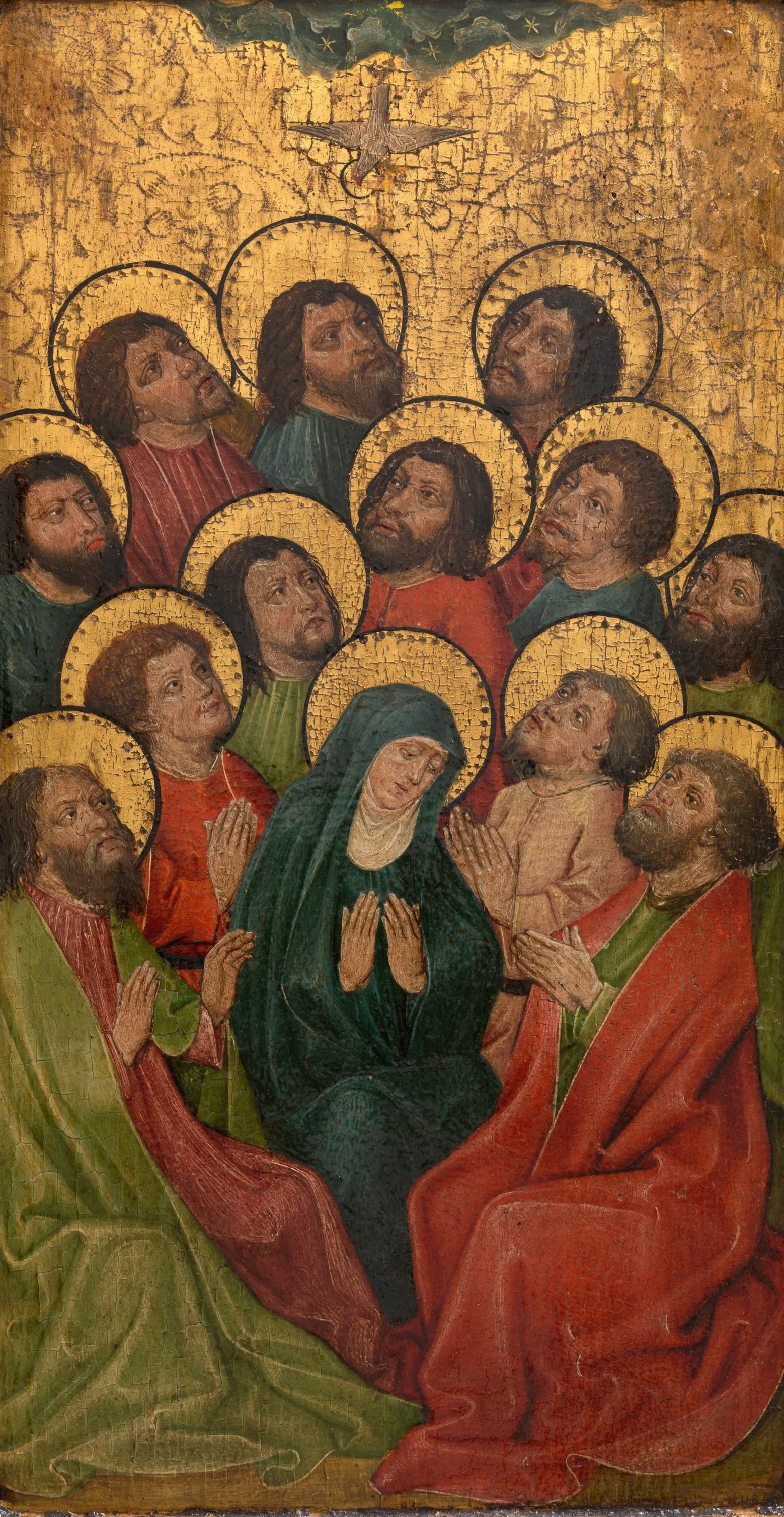
Sacred art is devotional.
The primary purpose of sacred art is to foster devotion, encouraging the faithful to lead a life of prayer and active charity. The Council of Trent stated that the faithful view sacred art so that “they may give God thanks; may order their own life and manners in imitation of the saints; and may be excited to adore and love God, and to cultivate piety.”
Sacred art is catechetical.
Early Christians used sacred art as a teaching tool in a population that was largely illiterate. Members of the congregation could “read” the illustrations on the walls, enabling them to learn about biblical events and the core beliefs of the faith.
Sacred art is liturgical.
Sacred art has a liturgical purpose when it is used to aid devotion in a place of public worship. The earliest example of sacred art in the Christian tradition comes from a 3rd-century house church in modern Syria. Early Christians found that sacred art could direct their attention away from earthly concerns and toward the spiritual reality that occurs during the Mass, enabling them to make a more sincere and reverent act of public worship.

Is sacred art Catholic?
While sacred art can be considered Catholic, it is ultimately a shared Christian heritage that reaches back to early Christian times. However, the Catholic Church today is the main preserver of the sacred art tradition. The Second Vatican Council referred to the Church as the “friend of the fine arts,” acknowledging her role in developing a “treasury of art” over the centuries (Sacrosanctum concilium, 122-123).
The Catholic Church serves as the primary custodian of sacred art due to developments that occurred during the Protestant Reformation, which led to a diminished presence of such artwork in many non-Catholic churches. Martin Luther opposed the misuse of religious imagery rather than its complete eradication, but other Protestant Reformers took a more radical stance. Huldrych Zwingli and John Calvin held that sacred art inevitably leads to idolatry. The widespread iconoclasm ignited by their views led to the destruction of sacred art during the Reformation, particularly in Northern Europe.
In response, the Catholic Church clarified the purpose of sacred art at the Council of Trent in 1563. The council condemned idolatry and affirmed that “the honor which is shown unto [sacred artworks] is referred to the prototypes which they represent.”
Sacred art is true and beautiful when its form corresponds to its particular vocation: evoking and glorifying, in faith and adoration, the transcendent mystery of God - the surpassing invisible beauty of truth and love visible in Christ, who ‘reflects the glory of God and bears the very stamp of his nature,’ in whom ‘the whole fullness of deity dwells bodily.’* This spiritual beauty of God is reflected in the most holy Virgin Mother of God, the angels, and saints. Genuine sacred art draws man to adoration, to prayer, and to the love of God, Creator and Savior, the Holy One and Sanctifier.
— Catechism of the Catholic Church, 2502
*Heb 1:3; Col 2:9
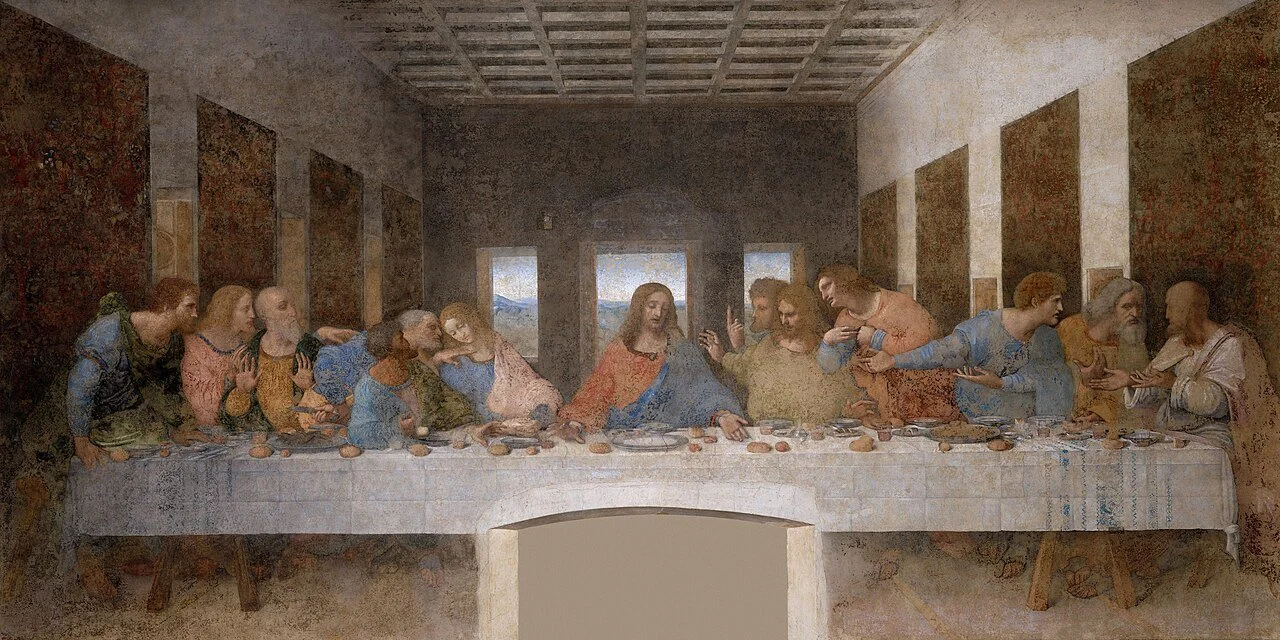
What are some examples of sacred art?
Sacred art examples include famous works such as the Last Supper by Leonardo da Vinci and the Pietà by Michelangelo. You can view some of the best examples in our two-part blog series on the greatest works of sacred art.
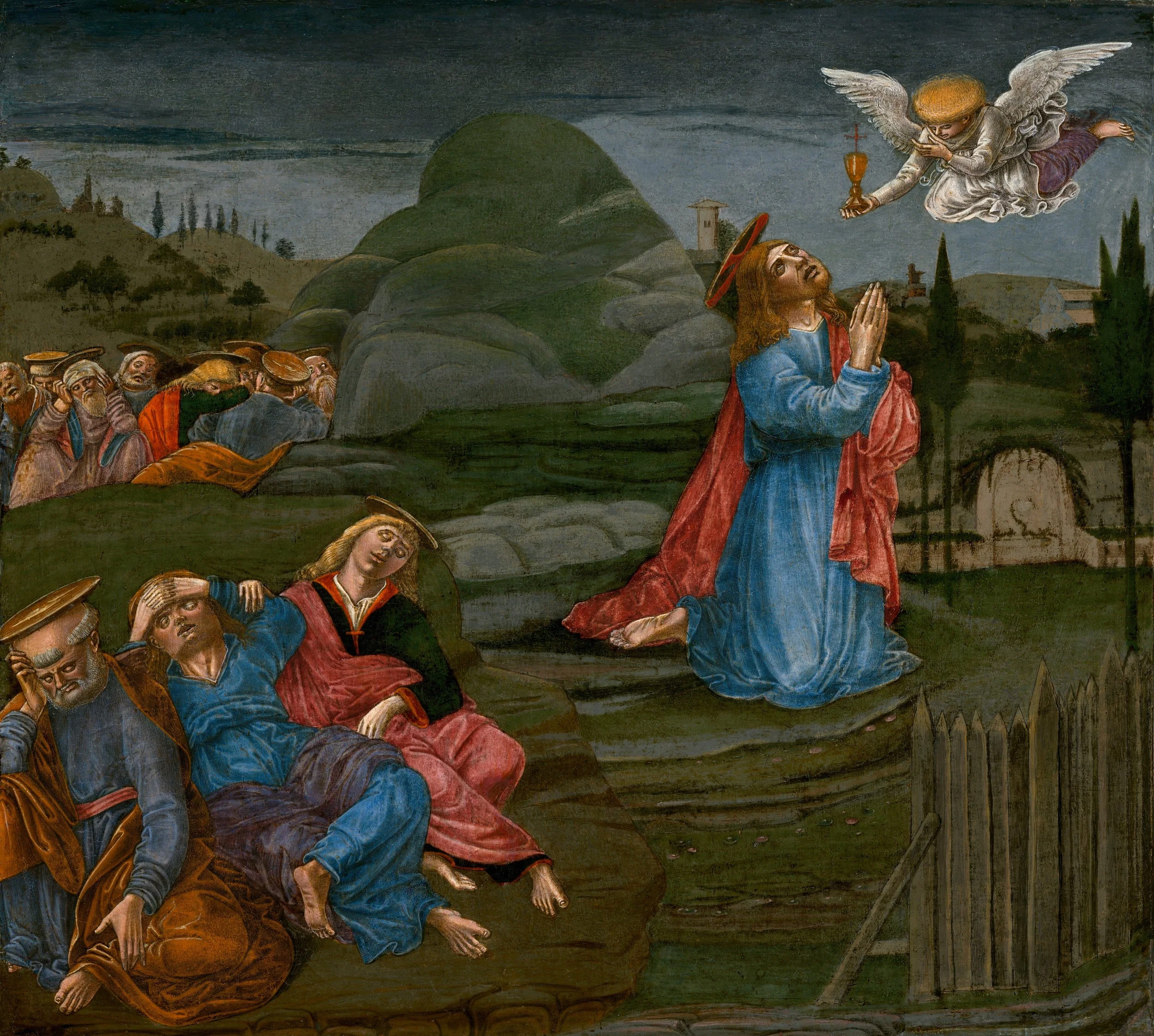
Why is sacred art still relevant today?
Sacred art is important in world largely searching for meaning. The beauty of sacred art provides an opportunity to encounter God, enabling people to reflect on the spiritual reality that both transcends and permeates their everyday lives. As Pope St. John Paul II put it, beauty is “a key to the mystery and a call to transcendence.” Rooted in the Scripture and tradition of the Catholic faith, sacred art presents truths about the meaning of human existence through beauty and the creativity of man, who is made in the image of his Creator. The events of salvation history depicted in sacred art have the power to shed light on the purpose of our own lives.
“This world in which we live needs beauty in order not to sink into despair.”
— Pope St. Paul VI

Our Mission with Sacred Art
Our mission is to help people “seek what is above” through the beauty of sacred art. We strive to make the treasures of the Christian artistic tradition more accessible, so that the Catholic faith may once again speak to the heart, the imagination, and the longing of the modern world. Read more about our mission with sacred art here.