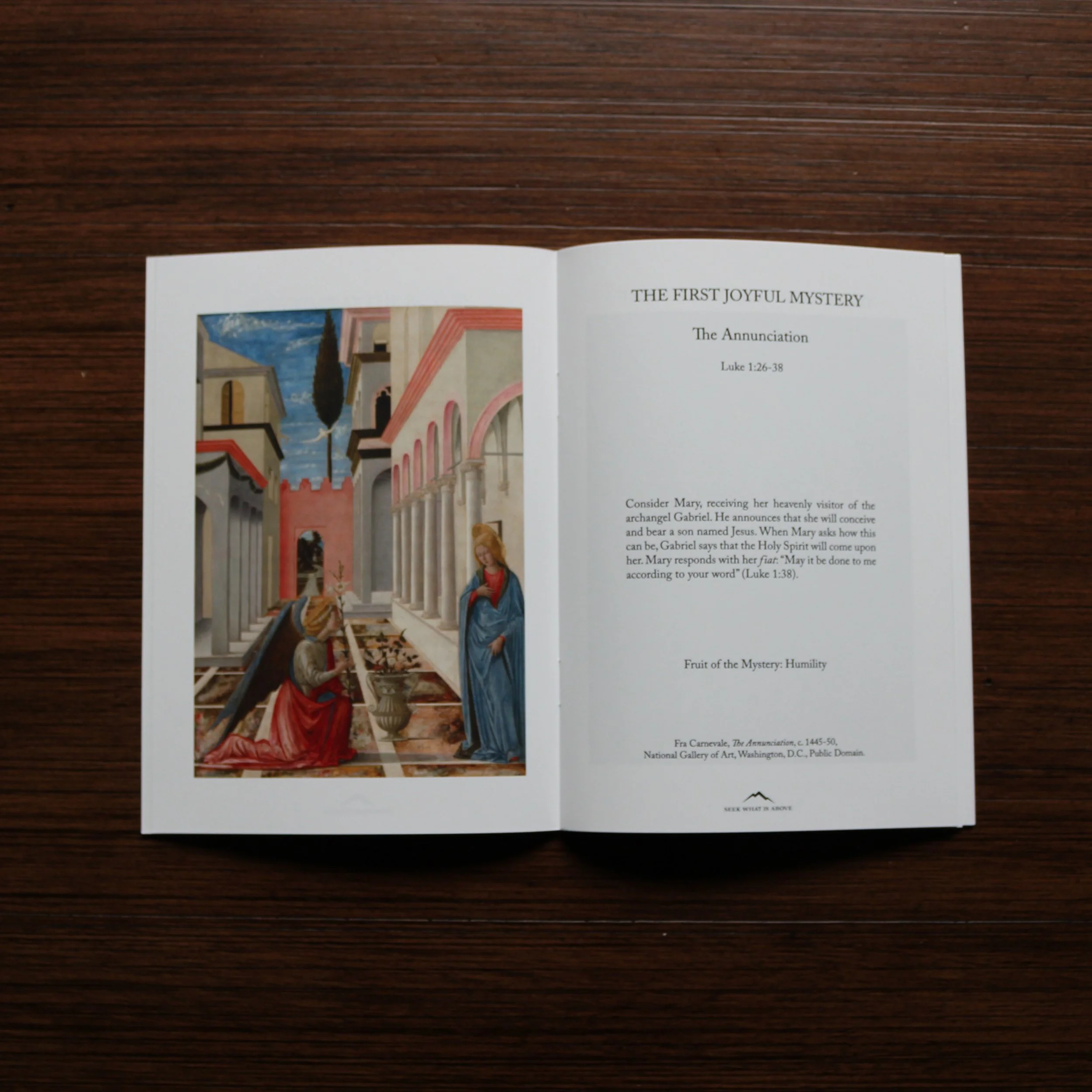
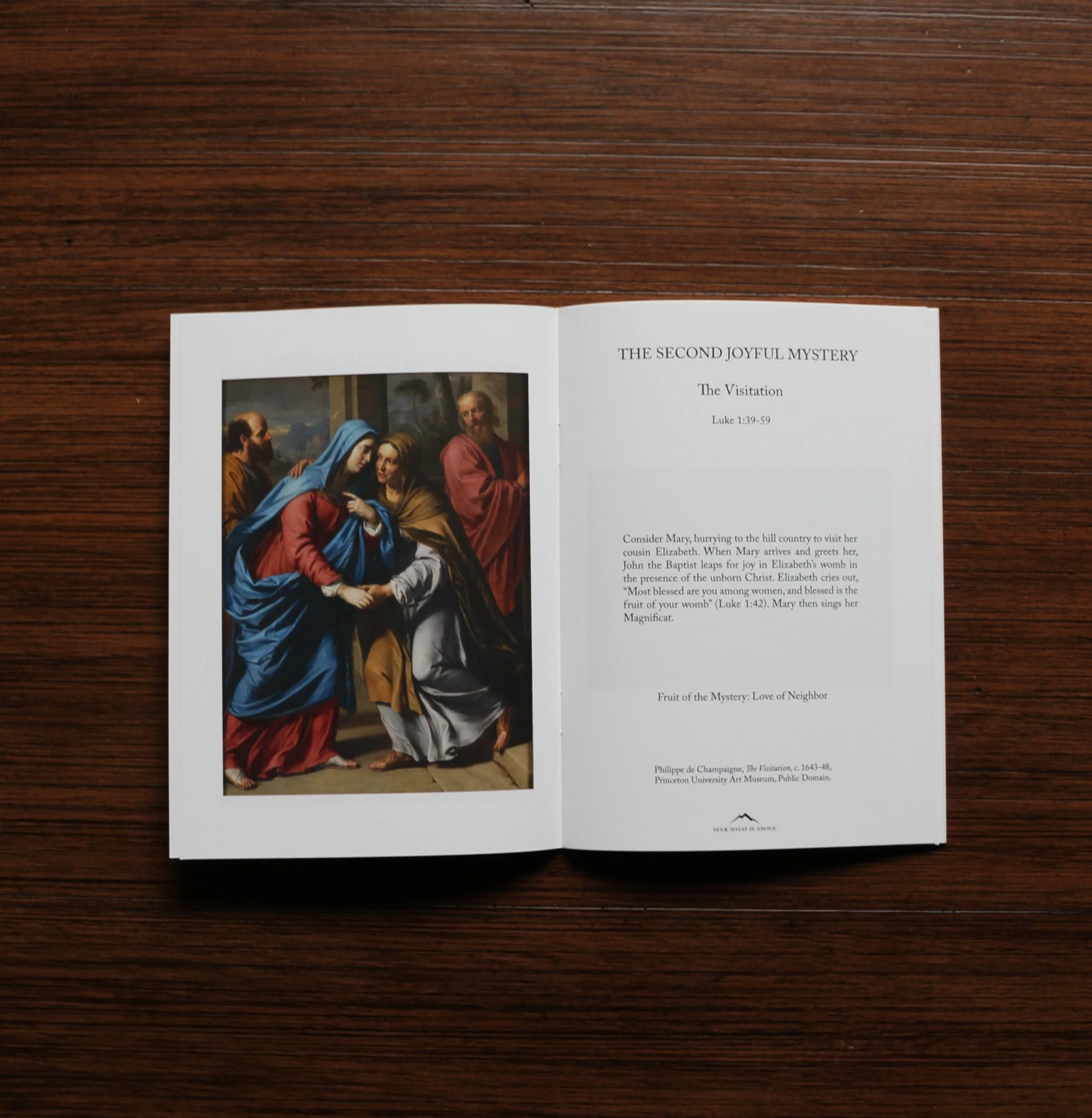
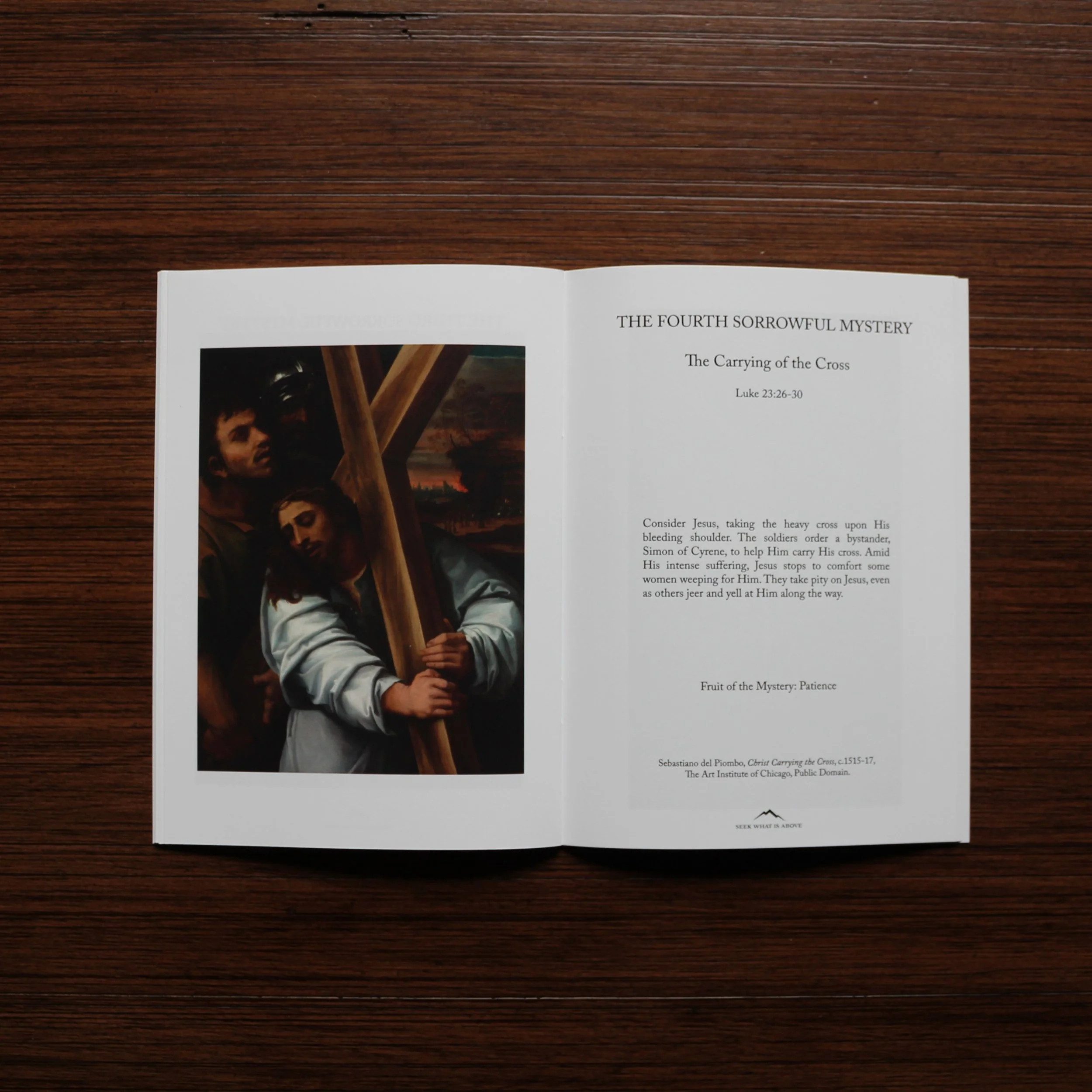
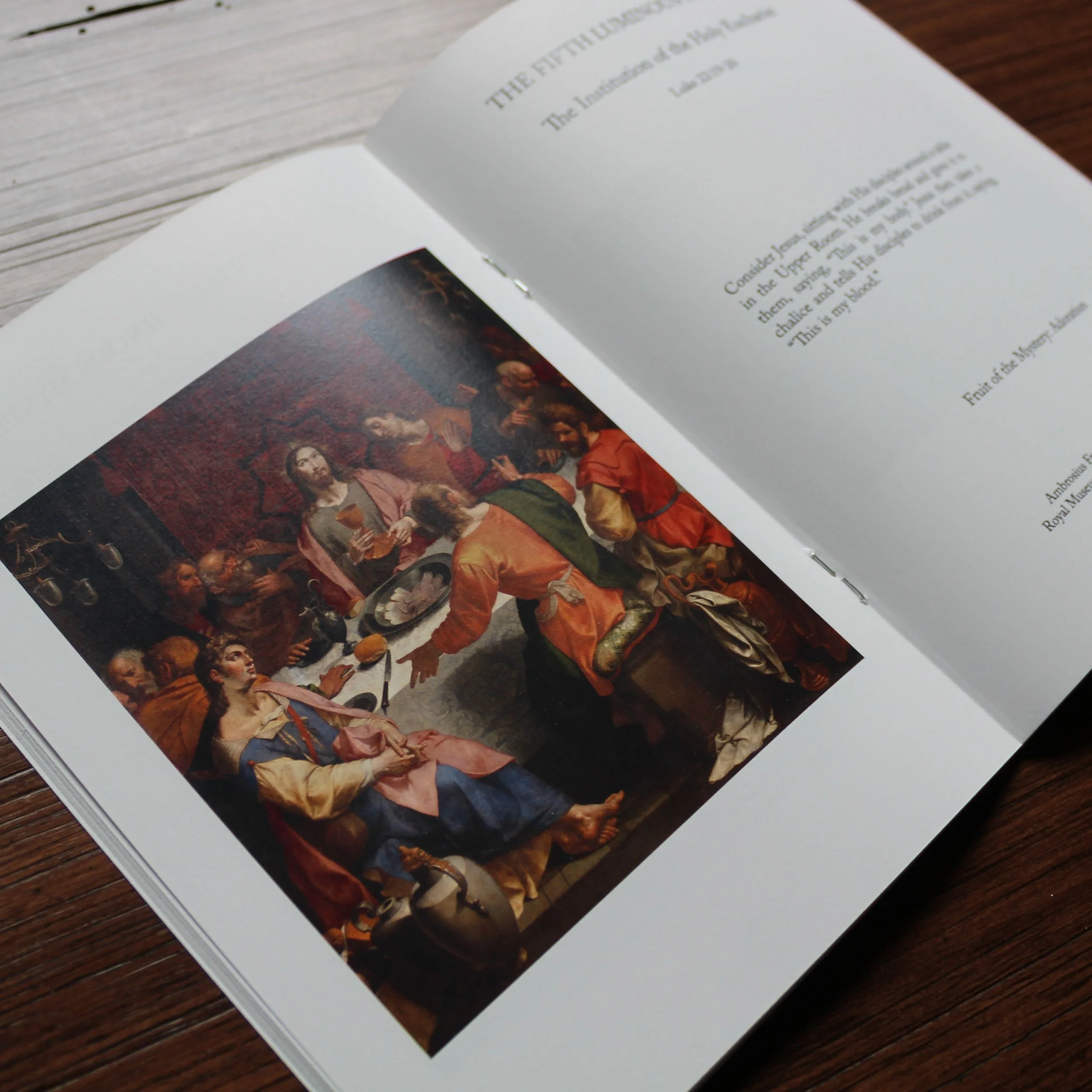
 Image 1 of 6
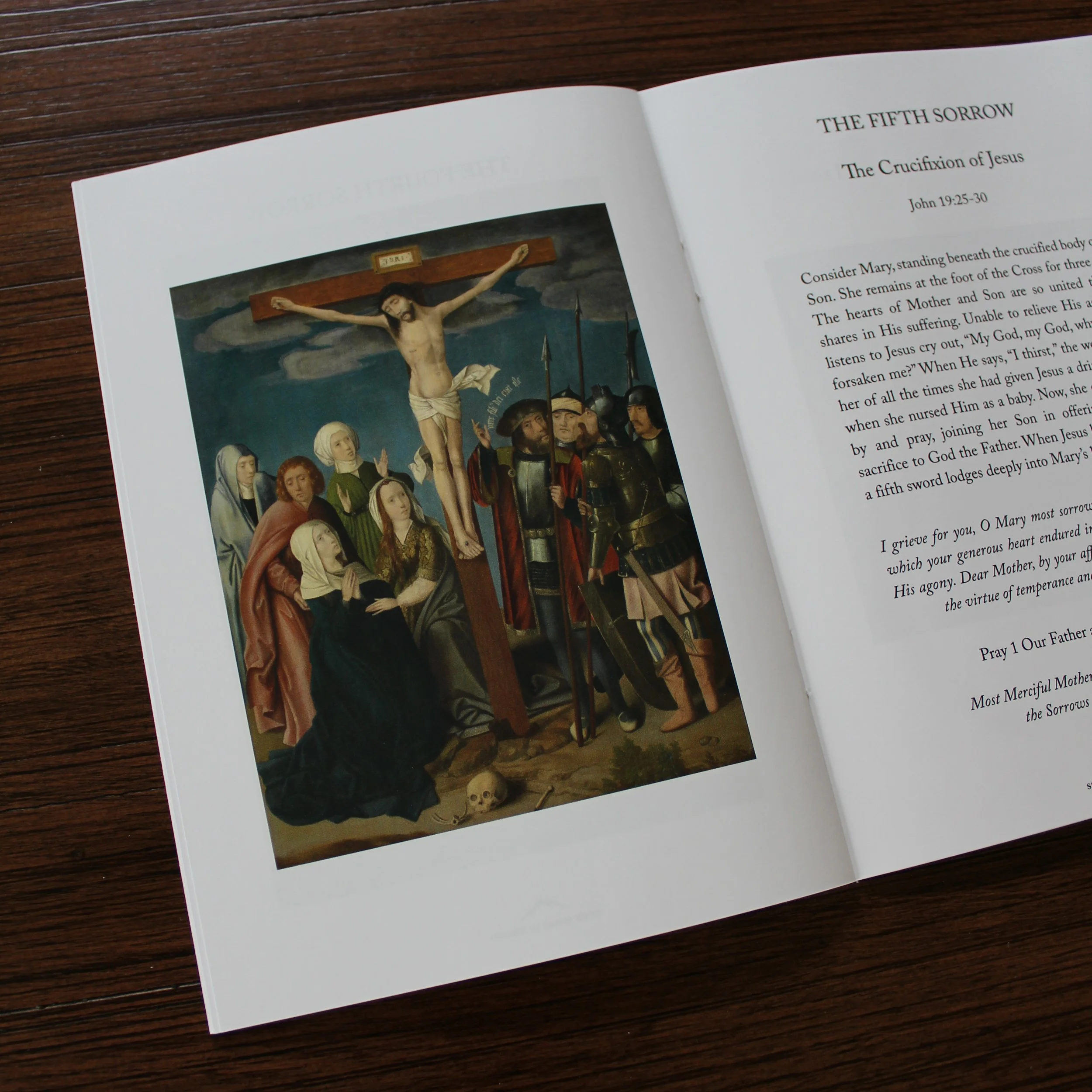 Image 2 of 6
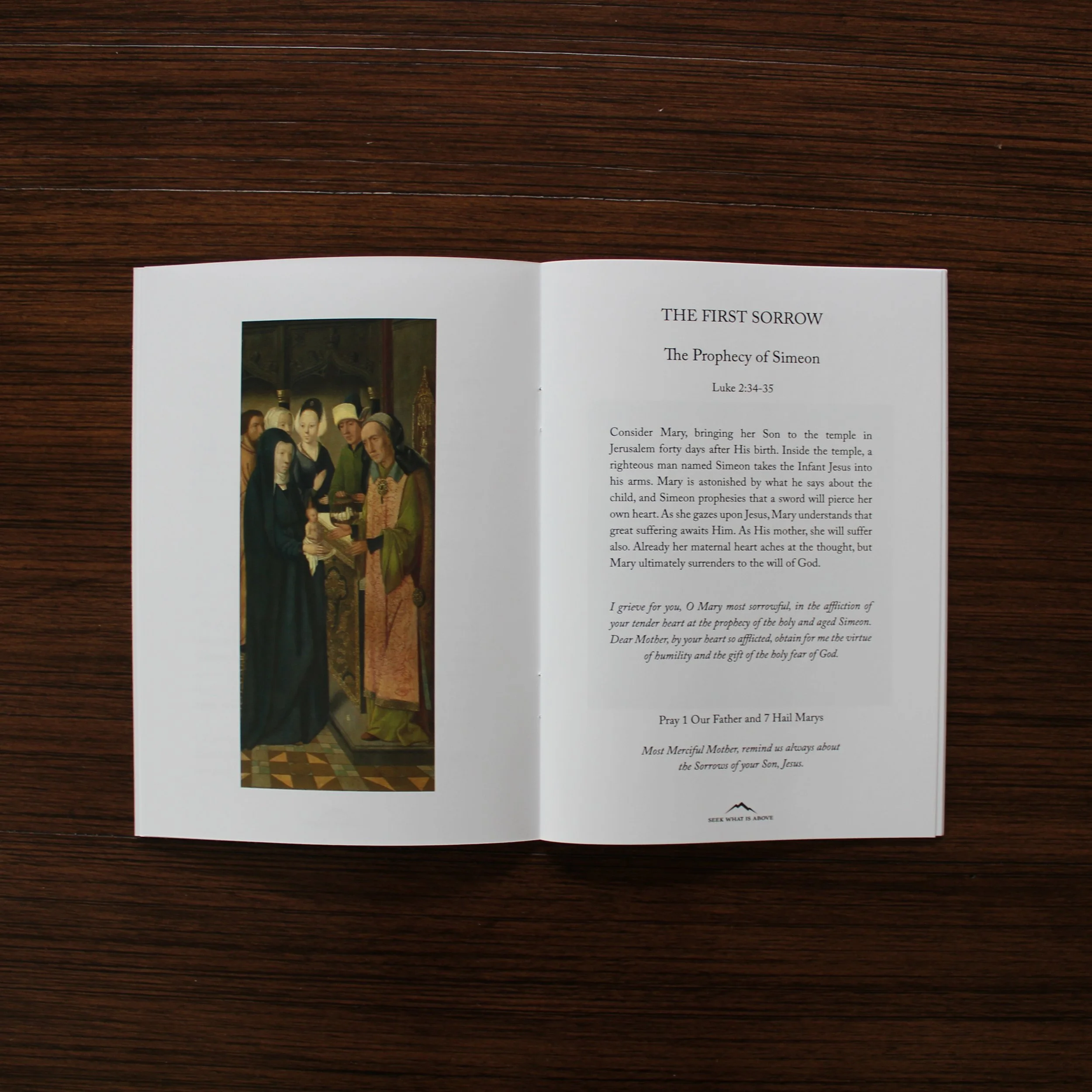 Image 3 of 6
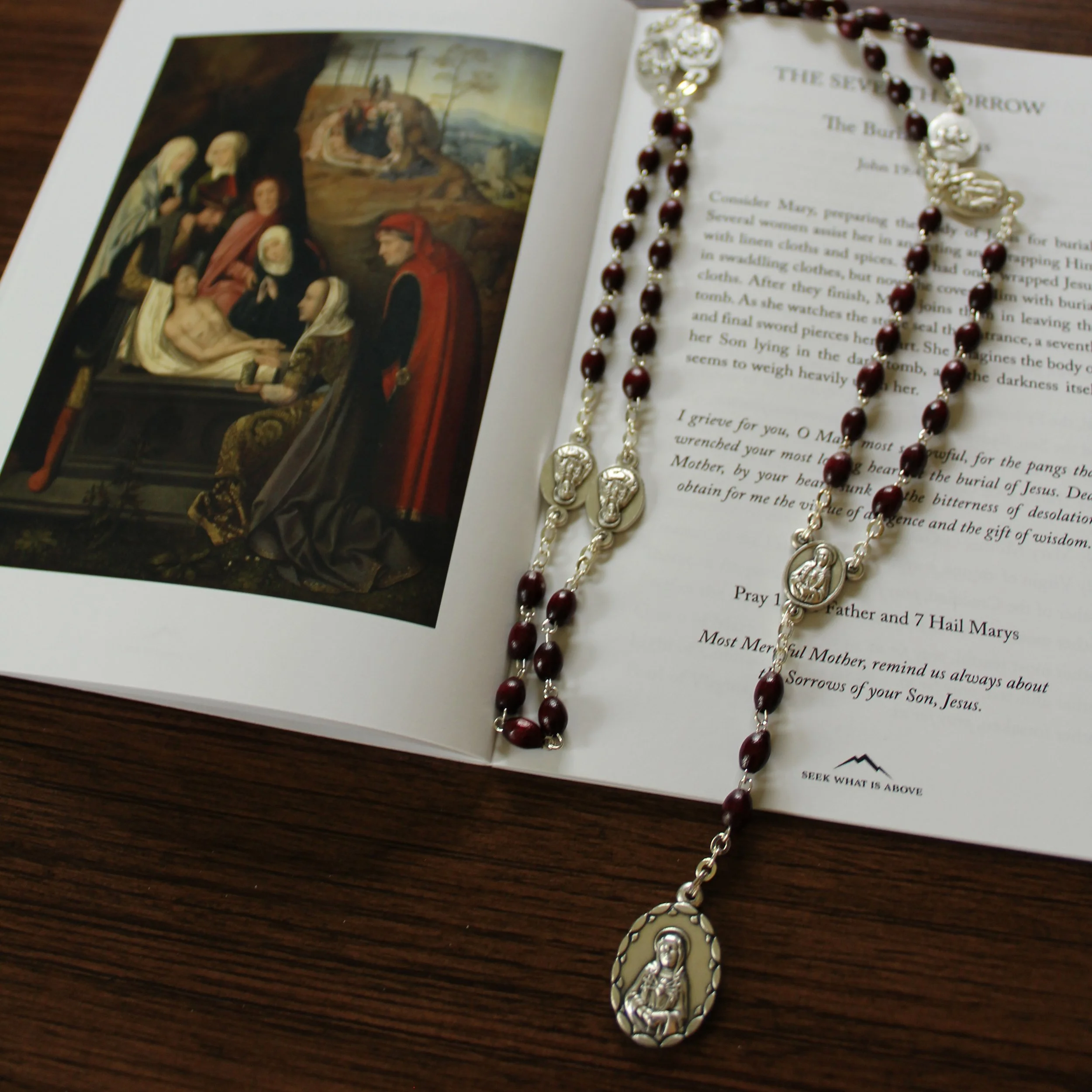 Image 4 of 6
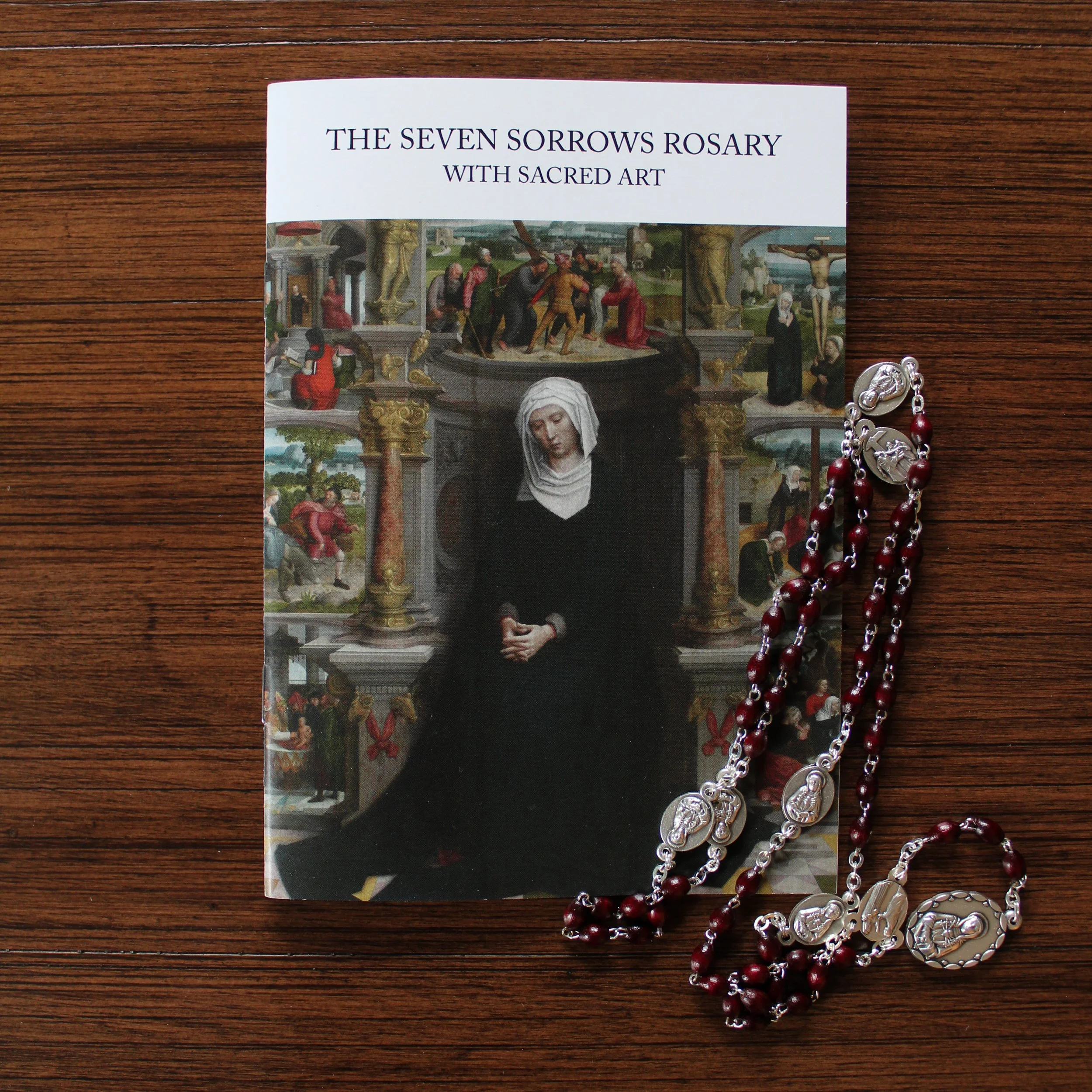 Image 5 of 6
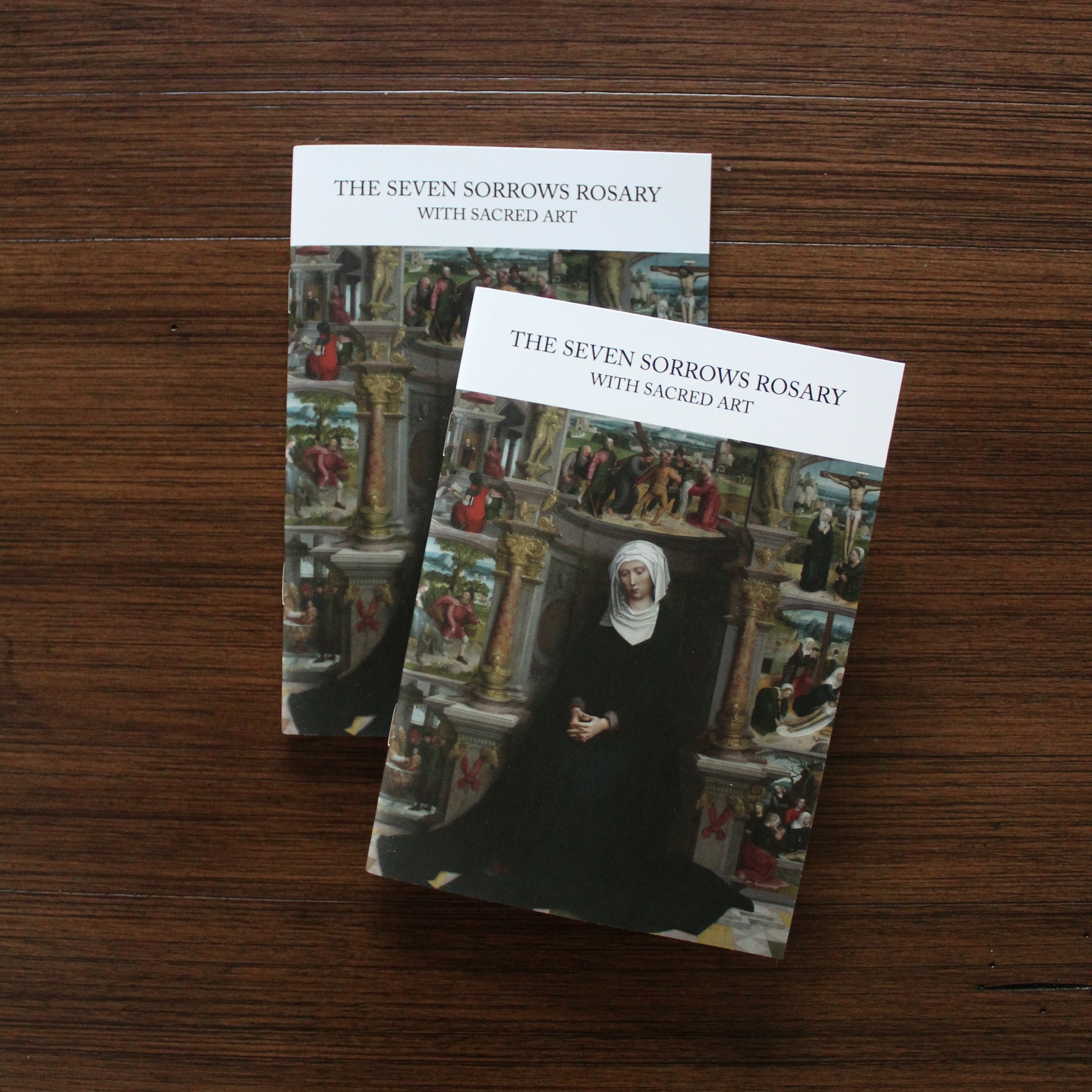 Image 6 of 6
Frequently Asked Questions
What is the Seven Sorrows Rosary?
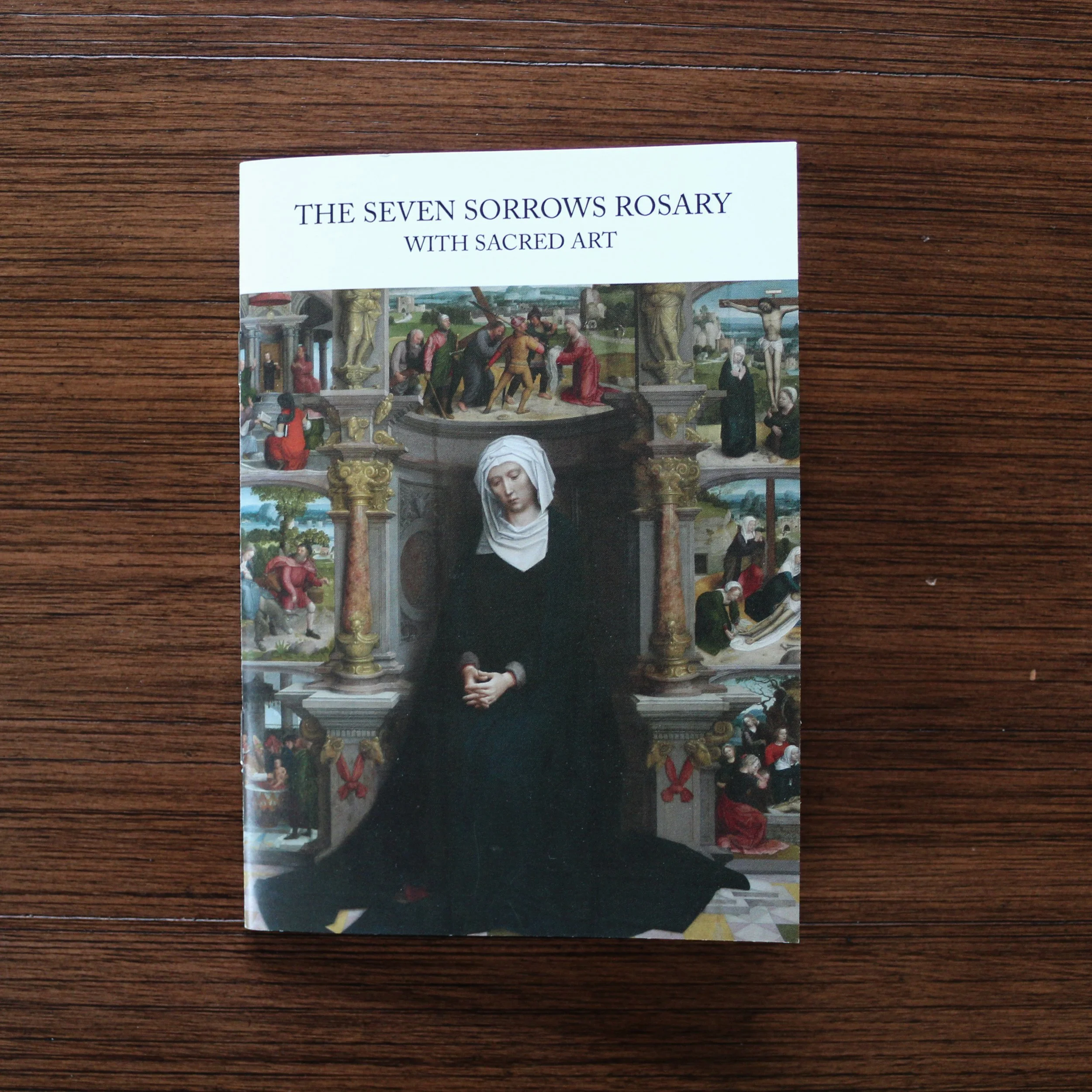
The Seven Sorrows Rosary is a Catholic chaplet dedicated to the maternal suffering of the Blessed Virgin Mary as the Mother of Jesus Christ. It consists of 52 beads, mainly arranged in seven groups of seven beads each. The devotion originated in the thirteenth century and has since become an established part of Catholic tradition. It is also known as the Servite Rosary.
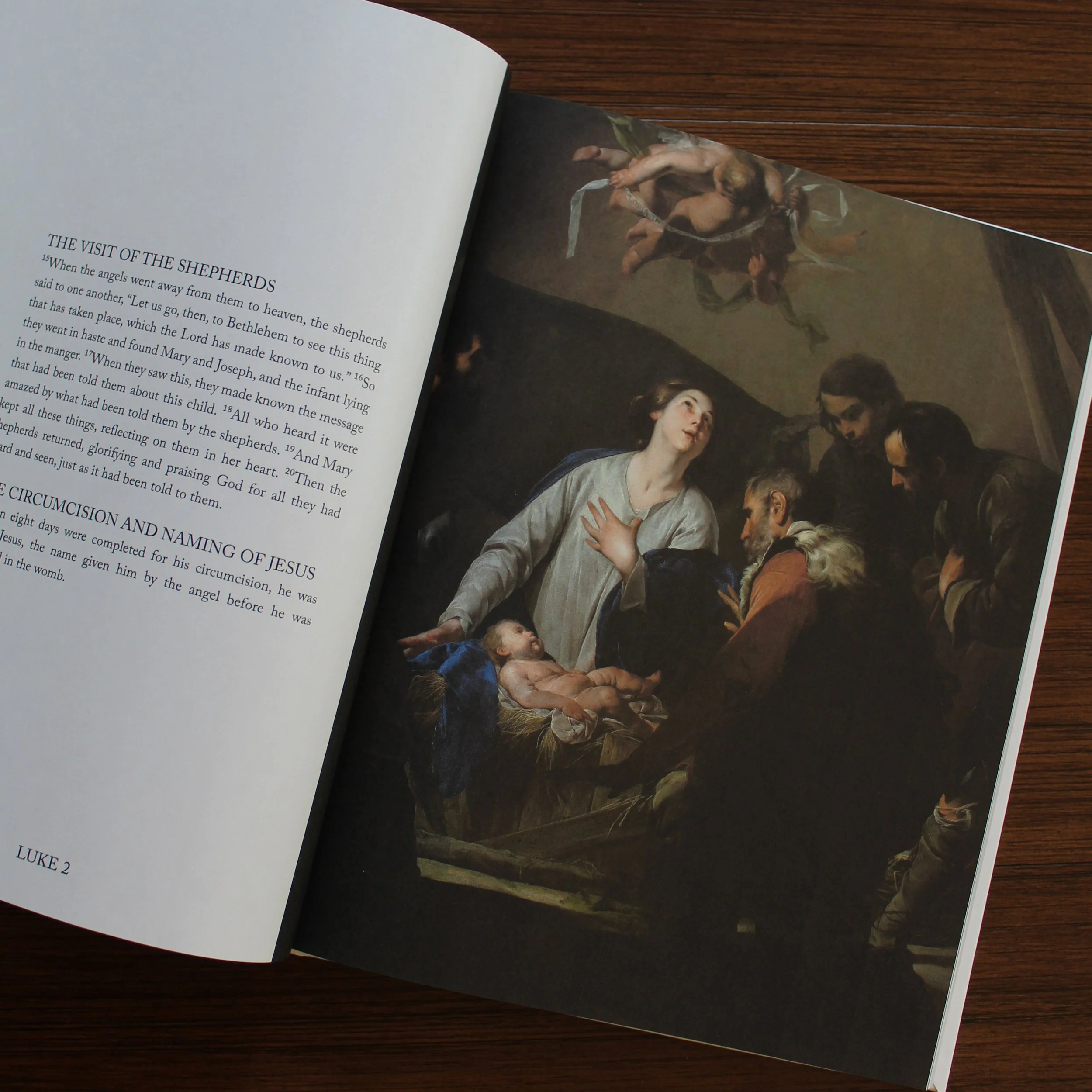
The Seven Sorrows Rosary involves meditating on the Seven Sorrows of Mary—seven significant moments of suffering in the life of Mary, drawn from Scripture and Catholic tradition. Her sorrows were foreshadowed by Simeon in the Temple when he told her, “And you yourself a sword will pierce” (Luke 2:35).
Yes, the Seven Sorrows Rosary is different from the traditional Rosary, although the two devotions share several similarities. Both may be prayed with beads and involve the repeated recitation of Hail Marys. However, the Seven Sorrows Rosary focuses specifically on the Seven Sorrows of Mary, while the traditional Rosary focuses on the Mysteries of the Rosary: the Joyful, Sorrowful, Glorious, and Luminous Mysteries.
Is the Seven Sorrows Rosary different from the traditional Rosary?
The Seven Sorrows Rosary may be prayed at any time. However, there are several occasions when this devotion is especially appropriate. During the Church-approved apparitions at Kibeho, Rwanda, Our Lady called the faithful to pray the Seven Sorrows Rosary, particularly on Tuesdays and Fridays. The month of September is also traditionally dedicated to Our Lady of Sorrows. Her feast day falls on September 15.
The chaplet is especially fitting during times of physical, mental, emotional, or spiritual suffering, when we can turn to Mary and ask her to accompany us through our trials.
When should I pray the Seven Sorrows Rosary?
Like the traditional Rosary, the Seven Sorrows Rosary is a way to deepen your relationship with Christ through Marian devotion. It also allows you to unite your own sufferings with those of Jesus and Mary, offering them to God in love.
When we meditate on the Seven Sorrows of Mary, we are reminded that suffering is not meaningless when it is joined to Christ’s sacrifice on the Cross. Mary experienced profound suffering throughout the life and Passion of her Son, yet she remained united to Him in faith and love. In the same way, we can bring our own trials to Christ and ask Him to transform them through the power of the Cross.
Praying the Seven Sorrows Rosary therefore helps us to see our trials in the light of Christ's Passion and to entrust them to God, knowing that He can use our deepest sorrows as a channel of His grace for ourselves and others.
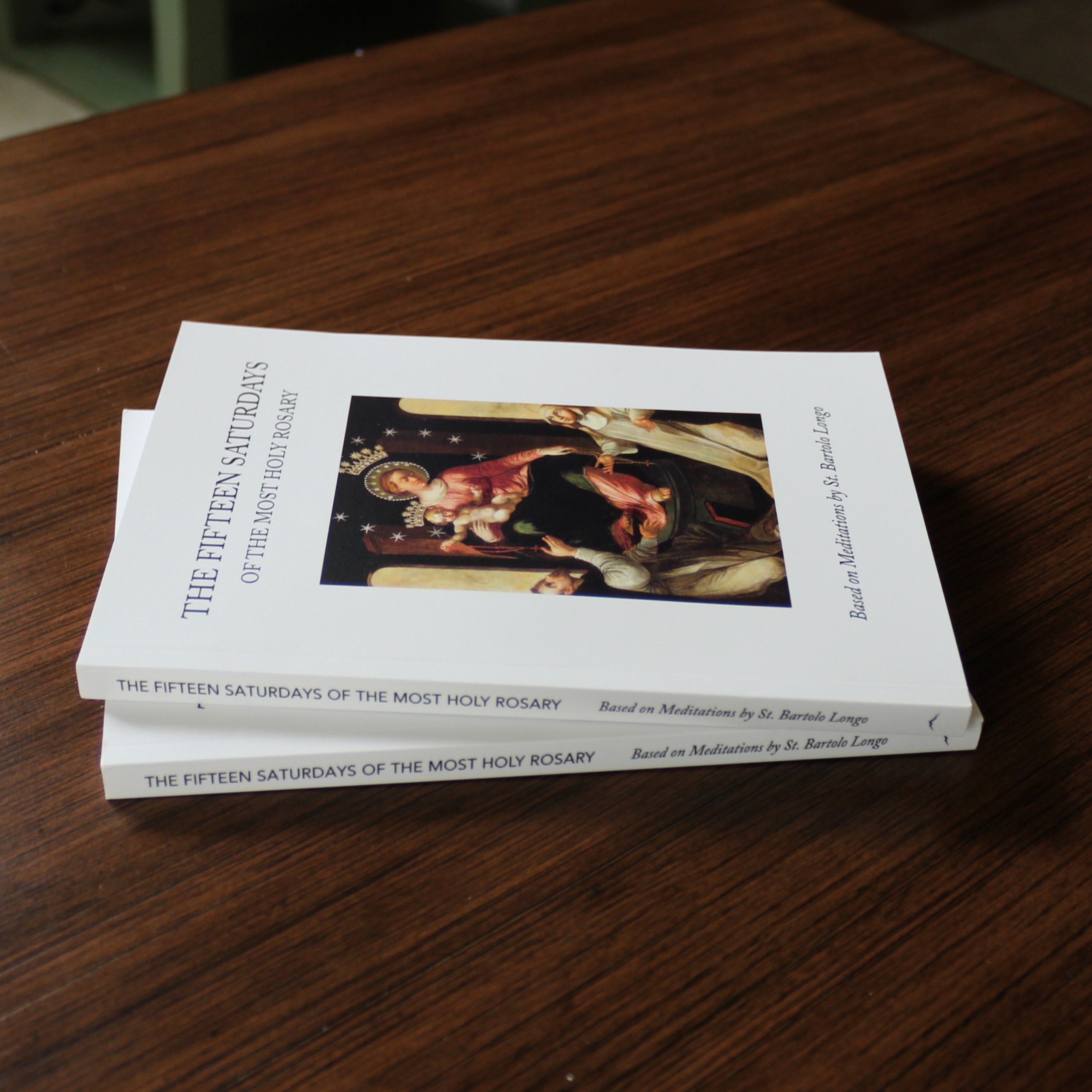
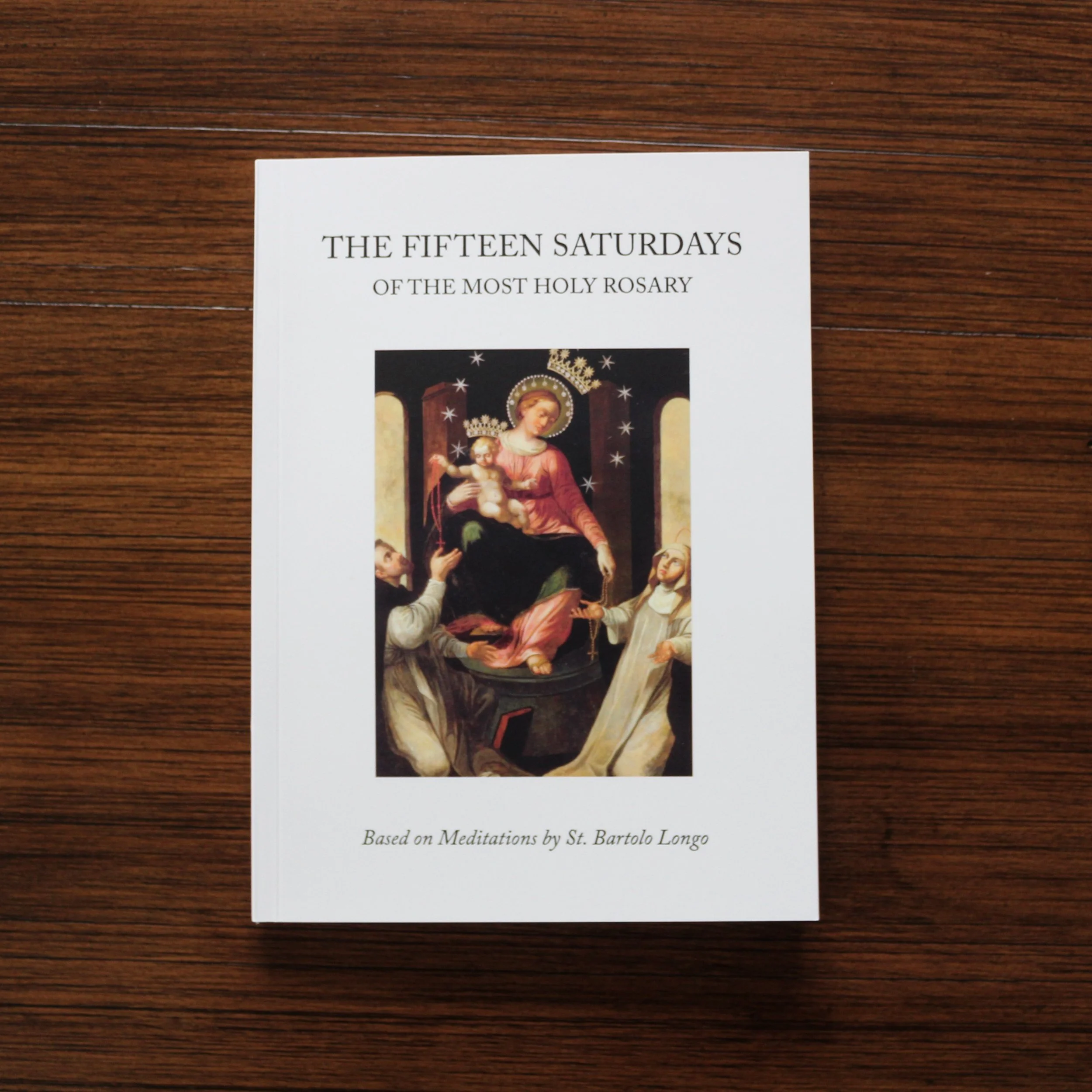
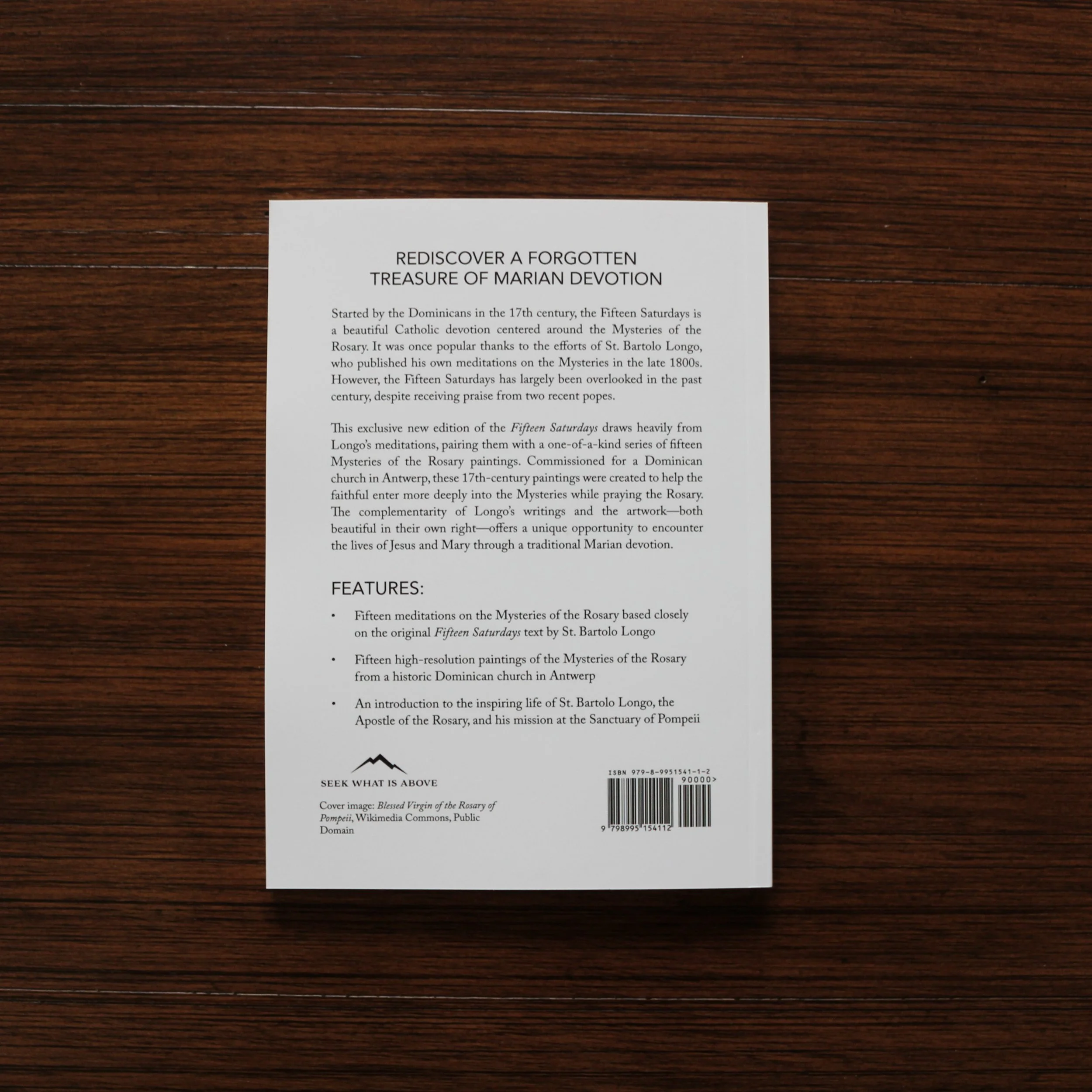
![The Fifteen Saturdays of the Most Holy Rosary [Paperback]](https://images.squarespace-cdn.com/content/v1/6467f98b72ab48288c61a511/6ab91c54-18c8-48a0-ada5-8f287a49b672/The+Fifteen+Saturdays+%282%292.JPEG)